There is a healthy way to breathe—and it’s through the nose. Chronic mouth breathing has been linked to an increased risk of serious and often debilitating health conditions, including gastrointestinal disorders such as IBS, ADHD, high blood pressure, anxiety, and depression. Beyond these systemic concerns, airway dysfunction can significantly affect facial development, dental health, and overall appearance.
In dentistry, mouth breathing impacts far more than breathing alone. It can influence how the face and jaws develop, how teeth align, the health of the oral tissues, and long-term airway function. Below are some of the most common and visible effects associated with long-term mouth breathing.
1. Facial Growth and Jaw Development
Mouth breathing alters natural oral posture. Instead of the tongue resting against the roof of the mouth (the palate), it drops downward. This change can disrupt normal facial growth and lead to noticeable structural changes over time.
A Long, Narrow Face
When mouth breathing is not corrected early, it can result in excessive vertical facial growth. As the face grows longer, it may lose balance and proportion, appearing overly narrow or elongated. This growth pattern is also associated with a narrow or collapsed airway, which can increase the risk of sleep-disordered breathing and interrupted sleep due to restricted airflow.
A Recessed Chin or Weak Jawline
A healthy jawline is typically well-defined and balanced with the rest of the face. Chronic mouth breathing can interfere with normal muscle function and jaw development.
With proper nasal breathing, the tongue naturally rests against the palate, applying gentle upward and outward pressure that supports healthy facial development and forward jaw growth. Mouth breathing disrupts this posture. Without this support, facial muscles exert downward forces, pulling the upper jaw down and limiting forward growth of the lower jaw.
Over time, this can result in a smaller lower jaw, narrow V-shaped dental arches, and a recessed chin. Persistent relaxation of the lower facial muscles may also reduce definition between the chin and the neck.
Short Upper Lip, Elevated Nostrils, and Other Facial Changes
The facial pattern commonly associated with chronic mouth breathing is sometimes referred to as an “adenoid face.” This term relates to the adenoids—lymphatic tissue located high in the throat behind the nose and soft palate—which may become enlarged and contribute to airway obstruction.
This facial pattern may include underdevelopment of the upper jaw and cheekbones, similar to changes seen in the lower jaw and chin. Other common characteristics include:
- A thin or short upper lip
- Sunken or tired-looking eyes
- Elevated or pinched nostrils
- Flat or poorly defined facial features
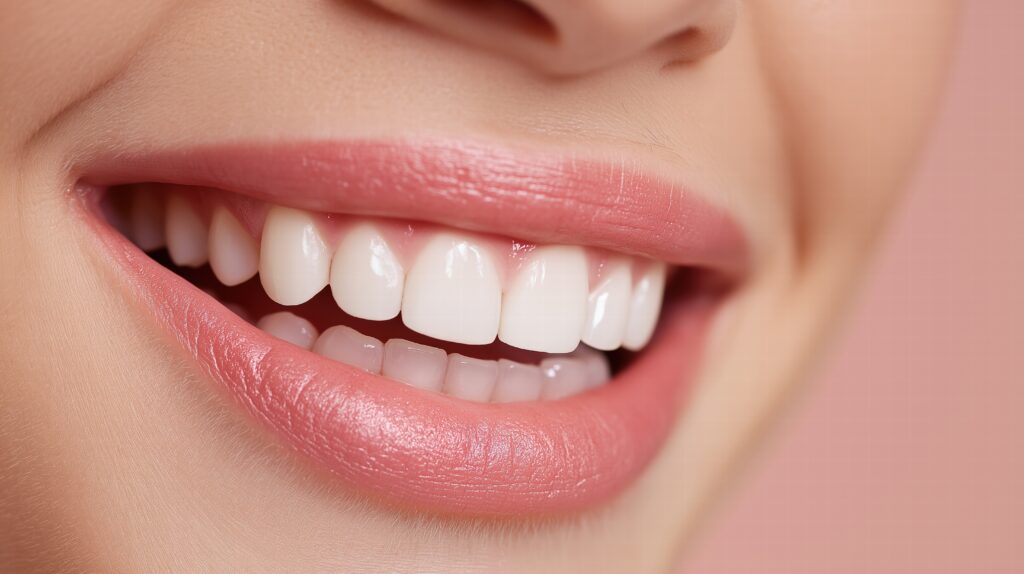
Mouth breathing can also affect the smile, often leading to excessive gum display, protruding front teeth, or other orthodontic concerns.
2. Tooth Alignment and Bite Problems
Improper jaw growth often results in orthodontic issues, including:
- Crowded or crooked teeth
- Narrow, V-shaped arches
- Open bites
- Overbites or underbites
- Protruding front teeth
These bite problems frequently require orthodontic or airway-focused dental treatment.
3. Palatal (Upper Jaw) Development
The palate may become high and narrow due to lack of proper tongue pressure. This not only affects tooth alignment but also reduces nasal airway space, reinforcing the cycle of mouth breathing.
4. Increased Risk of Cavities and Gum Disease
Mouth breathing dries out the oral tissues and reduces saliva, which is essential for:
- Neutralizing acids
- Protecting enamel
- Controlling harmful bacteria
As a result, patients are at higher risk for:
- Tooth decay
- Gingivitis and periodontal disease
- Chronic bad breath (halitosis)
5. Changes in the Smile and Facial Aesthetics
Dentists often notice:
- Excessive gum display (“gummy smile”)
- Short or thin upper lip
- Poor lip seal
- Less definition between the chin and neck
6. Airway and Sleep-Related Dental Concerns
Mouth breathing is closely linked to airway obstruction and sleep-disordered breathing. Dentists may identify signs of:
- Snoring
- Pediatric sleep apnea
- Bruxism (teeth grinding)
- Daytime fatigue related to poor sleep
7. Speech and Muscle Function
Improper oral posture can affect:
- Tongue function
- Speech development
- Chewing and swallowing patterns
Why Early Intervention Matters
Mouth breathing impacts how the jaws grow, how teeth align, how healthy the mouth remains, and how well the airway functions—making it a critical concern in holistic, orthodontic, and airway-focused dentistry.
By identifying and addressing mouth breathing early, we can help guide healthier facial growth and development. Early intervention may allow children to avoid many of the long-term effects on appearance, daily function, sleep quality, and overall health.
We invite you to schedule a consultation to learn more about airway-focused and holistic dental care.
Call us today:
Philadelphia Office: (610) 664-1641
Kensington, MD Office: (240) 550-1442
Or click here to schedule your exam.***